
Sustainability
Less plastic. Safer water. Measured honestly.
Single-use plastic tumblers and shared, unwashed glasses are two sides of the same problem. GILAS is built to solve both, and we only publish impact figures we can back up.
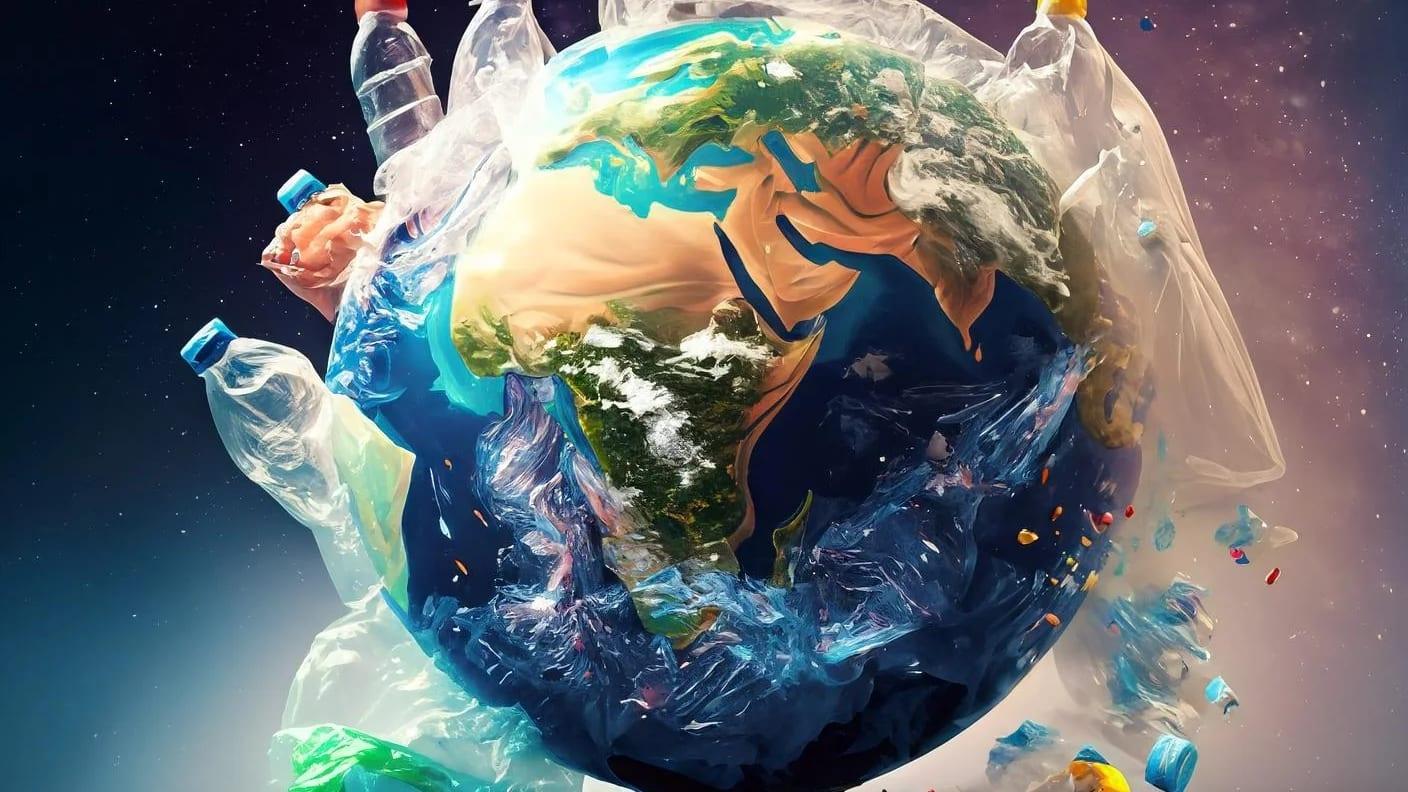
The plastic crisis
The world is drowning in plastic it can’t recycle.
- of plastic waste generated worldwide in 2019, more than double the 2000 figure[1]
- 353 Mt
- of plastic waste was ultimately recycled[1]
- 9%
- was dumped, burned in the open or leaked into the environment[1]
- 22%
- Landfilled
- ~50%
- Dumped, burned or leaked
- 22%
- Incinerated
- 19%
- Recycled
- 9%
Banned in India since 2022
Plastic cups and glasses are among the single-use items India banned from 1 July 2022.[2]
Still everywhere
Three years on, banned single-use plastics were still found at 84% of 560 sites surveyed in four Indian cities.[3]
Reuse is the direction of travel
The EU’s single-use plastics rules cover products not designed to be used many times, so genuinely reusable alternatives fall outside them.[4]
Health and hygiene
Hygiene is part of sustainability too.
A glass passed from mouth to mouth at a school water point or hospital ward is one small link in that chain. Swapping it for a plastic tumbler only trades a health problem for a waste problem. GILAS is designed to break both.
- 3Sustainable Development Goal 3: Good health and well-being
- 6Sustainable Development Goal 6: Clean water and sanitation
- 12Sustainable Development Goal 12: Responsible consumption and production
Circular economy
From use-and-throw to use-and-reuse.
- 1
Dispense
A press of a button fills a clean steel glass with drinking water.
- 2
Drink & return
The person drinks, then places the glass back into GILAS.
- 3
Clean & disinfect
Spray wash, ultrasonic cleaning and UV-C disinfection in about a minute.
- 4
Reuse
The glass is ready to be filled for the next person.
The plastic tumbler’s trip
- Use for a minute
- Bin
- Landfill, drain or open burning
GILAS environmental impact
What GILAS changes, per glass.
- plastic tumblers per serving
- 0
- Every drink is served in a reusable steel glass.
- of water per cleaning cycle
- ~100 ml
- About 80% less than a commercial dishwasher per glass.
- Pending validation
- only after the rinse
- UV-C
- Lamps switch on only when needed, designed to cut power use.
- Pending validation
Case studies
Case studies are on their way.
Pilot · coming soon
Schools
Water points and mid-day meals
We’ll report
- Plastic tumblers replaced
- Glasses cleaned and disinfected
- Water used per glass
- Uptime and maintenance
Pilot · coming soon
Hospitals
OPD waiting areas and wards
We’ll report
- Plastic tumblers replaced
- Glasses cleaned and disinfected
- Water used per glass
- Uptime and maintenance
Pilot · coming soon
Events
Weddings and large gatherings
We’ll report
- Plastic tumblers replaced
- Glasses cleaned and disinfected
- Water used per glass
- Uptime and maintenance
ESG reporting
The GILAS Impact Whitepaper
Inside
- The plastic-tumbler and shared-glass problem, with sources
- How the three-stage cycle works and how it is being validated
- Our impact methodology and calculator assumptions
- How to report GILAS in BRSR, ESG and CSR disclosures
Our commitments
How we hold ourselves to account.
Evidence before claims
Every performance and environmental figure is labelled until independent testing backs it, and we will publish the test method and results.
Open methodology
Our impact calculator shows its formula and every assumption, so you can check our numbers or use your own.
Measured, not estimated
GILAS is designed to count every cycle, so customers can report real plastic avoided rather than a guess.
Clear limits
We say plainly where GILAS should not be used, such as clinical sterilization, and never market it beyond what it does.
Ready to replace plastic tumblers, safely?
See GILAS working in a 15-minute demo, or take the brochure to your school, hospital or event team.
Sources
- [1]OECD (2022), Global Plastics Outlook: Economic Drivers, Environmental Impacts and Policy Options. OECD Publishing, Paris. View source (opens in a new tab)
- [2]Government of India, Press Information Bureau (2022), ban on identified single-use plastic items from 1 July 2022 under the Plastic Waste Management (Amendment) Rules, 2021. View source (opens in a new tab)
- [3]Toxics Link (2026), Revisiting the Single-Use Plastic Ban: field survey of 560 sites in Delhi, Mumbai, Guwahati and Bhubaneswar, April–August 2025. View source (opens in a new tab)
- [4]European Union (2019), Directive (EU) 2019/904 on the reduction of the impact of certain plastic products on the environment. View source (opens in a new tab)
- [5]World Health Organization (2024), Diarrhoeal disease fact sheet, 7 March 2024. View source (opens in a new tab)
- [6]Ranjan, V. P., Joseph, A. and Goel, S. (2021), Microplastics and other harmful substances released from disposable paper cups into hot water. Journal of Hazardous Materials, 404, 124118 (IIT Kharagpur). View source (opens in a new tab)
- [7]The Week (2026), Fact check: Does drinking tea in paper cups pose health risks? 3 March 2026. View source (opens in a new tab)
- [8]Lifecycles for Australian state and territory governments and the New Zealand Ministry for the Environment (2025), Life cycle assessment of single-use plastic items and their alternatives in Australia and New Zealand. View source (opens in a new tab)
- [9]CIRAIG for RECYC-QUÉBEC (2014), Life cycle assessment (LCA) of reusable and single-use coffee cups: summary. View source (opens in a new tab)
- [10]Sangwan, K. S., Sodhi, M. S., Spengler, T. S. and Thies, C. (2021), Exploring the three dimensions of sustainability related to clay cups. Procedia CIRP, 98, 139–144. View source (opens in a new tab)
- [11]Confederation of All India Traders (2025), Wedding season 2025 to generate ₹6.5 lakh crore business from 46 lakh weddings across India, press release, November 2025. View source (opens in a new tab)